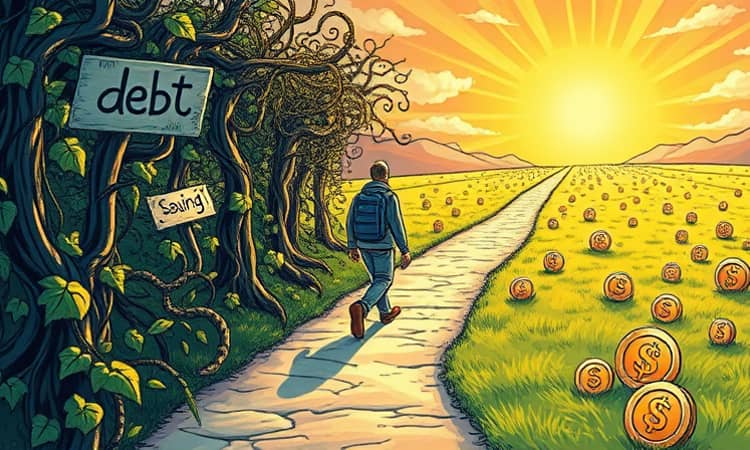
Debt can feel like an insurmountable mountain, casting shadows over your financial dreams.
Understanding your debt is the essential first step towards liberation and control.
This guide offers a clear, actionable roadmap to assess, manage, and eliminate debt.
By following these steps, you can transform anxiety into empowerment and steadily progress towards financial freedom.
Understanding Your Debt: The Landscape of Liabilities
Debt comes in various forms, each with unique characteristics and impacts.
Recognizing these types helps prioritize your repayment efforts effectively.
- High-interest debt, such as credit cards, often carries rates above 20% APR.
- Secured debt is tied to assets, like a home equity loan.
- Unsecured debt includes medical bills and personal loans.
Demystifying these categories allows you to tackle them with clarity.
Assessing Your Financial Situation: Facing the Numbers
To conquer debt, you must first confront exactly what you owe.
This assessment provides a solid foundation for your action plan.
- List all debts with amounts, interest rates, and minimum payments.
- Evaluate your spending habits to identify areas for reduction.
- Calculate your debt-to-income ratio to gauge affordability.
Facing the numbers eliminates uncertainty and sets a clear starting point.
Creating a Realistic Budget: Your Financial Blueprint
A budget is your roadmap to financial control and stability.
It ensures that every dollar has a purpose in your debt journey.
Use the 50/30/20 rule: allocate 50% to needs, 30% to wants, and 20% to savings and debt repayment.
- Track income and expenses meticulously using apps or spreadsheets.
- Prioritize debt payments over non-essential spending.
- Build an emergency fund to avoid new debt from unexpected costs.
Building an emergency fund is crucial for preventing financial setbacks.
Repayment Strategies: Choosing Your Battle Plan
Several proven strategies can help you pay off debt efficiently and effectively.
Selecting the right method depends on your psychological and financial preferences.
Consistency in making above-minimum payments is key to reducing principal faster.
Debt Consolidation: Simplifying Your Payments
Consolidation can make debt management more manageable and less stressful.
It combines multiple debts into one, often with a lower interest rate.
- Options include personal loans, balance transfer credit cards, and home equity loans.
- Watch out for fees and ensure the new rate is lower than current rates.
- It streamlines payments into a single monthly installment.
Debt consolidation can be a powerful tool if used wisely and cautiously.
Negotiating with Creditors: Easing Your Burden
Creditors may be willing to work with you to ensure repayment and avoid defaults.
You can request lower interest rates or modified payment terms.
Many prefer receiving payments over dealing with collections or losses.
Negotiate with creditors to ease your financial strain and find mutually beneficial solutions.
Boosting Your Income: Accelerating the Payoff
Increasing your income can significantly speed up debt repayment and provide more financial flexibility.
This extra money can be directed towards high-interest debt for faster elimination.
- Consider side hustles or part-time jobs to generate additional revenue.
- Use windfalls like tax refunds or bonuses for extra payments on debts.
- Report extra income to tax authorities if required to stay compliant.
Increase your income to gain greater control over your financial destiny.
Avoiding New Debt: Staying on the Right Path
While repaying old debt, it's essential to avoid accumulating new debt that can derail progress.
Discipline in spending habits is critical for long-term success.
- Stop using credit cards for non-essential purchases to prevent further accumulation.
- Redirect any savings directly towards debt payments to accelerate payoff.
- Maintain a realistic budget to track and control expenses effectively.
Avoid new debt to ensure that your efforts lead to lasting freedom.
Success Stories: Inspiration for Your Journey
Real people have successfully cleared substantial debts, offering hope and practical lessons.
Their stories highlight the effectiveness of structured plans and perseverance.
- Matthew and Kendall paid off $20,264 in 40 months through a Debt Management Plan, saving $5,000 in interest.
- Samantha cleared $45,000 in credit card debt in 5 years, saving $18,000 in interest and rebuilding savings.
- Kathy, a teacher, repaid $40,000 in 3 years by using extra budget and tax refunds, staying motivated with progress tracking.
These narratives show that financial freedom is achievable with determination and smart strategies.
Long-Term Financial Freedom: Building a Secure Future
Once debt is under control, focus on building habits that sustain financial security.
This phase ensures that freedom becomes a permanent part of your life.
- Automate payments for bills and savings to maintain consistency and avoid missed deadlines.
- Continuously educate yourself on budgeting and credit management to make informed decisions.
- Review your financial progress regularly to stay motivated and adjust plans as needed.
Long-term habits like these protect against relapse and promote ongoing prosperity.
Debt demystification leads to a clear path where every step brings you closer to liberation.
With practical steps and inspired action, you can achieve the financial freedom you desire.
Embrace this journey as a transformative process towards a brighter, debt-free future.