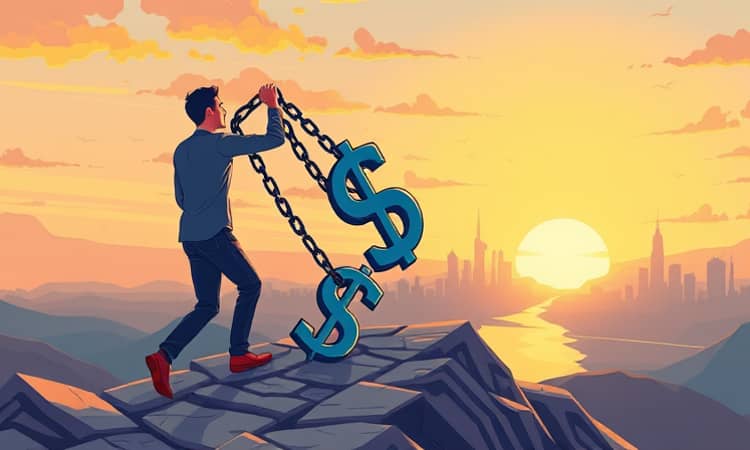
In Q3 2025, global debt surged to nearly 346 trillion dollars worldwide, a figure equivalent to 310% of world GDP. This macroeconomic backdrop casts a long shadow on personal finances. Just as countries grapple with rising deficits and fiscal stimuli, individuals often find themselves shackled by their own burdens of personal debt.
Whether you carry credit card balances, student loans, or auto financing, the weight of interest and principal can feel overwhelming. Yet, armed with proven strategies and a resilient mindset, anyone can chart a course toward a future free of financial baggage.
Understanding the Weight of Global and Personal Debt
Government borrowing in mature economies such as the US, China, and the UK has driven global liabilities to record highs. Emerging markets and non-financial corporations have followed suit. When national budgets swell, interest rates often rise, trickling down to mortgages, credit cards, and personal loans.
This interplay highlights how large-scale fiscal decisions translate into everyday costs. High rates inflate monthly payments, strain household budgets, and can stall long-term goals. Recognizing this connection is the first step toward reclaiming control.
Why Personal Debt Persists
Debt often begins innocently—a student cover, a car purchase, or unforeseen medical bills. Over time, minimum payments, compounded interest, and lifestyle creep coalesce into a mounting burden. Without a plan, balances can spiral, leaving you trapped in a cycle of payments.
Psychologically, unresolved debts trigger constant stress. They steal mental bandwidth and hinder confidence. By embracing targeted payoff methods, you activate psychological momentum from small wins, fueling progress and restoring peace of mind.
Proven Methods to Eliminate Debt
Experts recommend two core approaches: the Debt Snowball and the Debt Avalanche. Each uses disciplined payments to chip away at balances, but they differ in focus. Choose the one that aligns with your personality and goals.
- Debt Snowball Method: Pay minimums on all debts, then allocate extra funds to the smallest balance first. Quick victories build motivation.
- Debt Avalanche Method: Target the debt with the highest interest rate after covering minimums. This saves money on interest over time.
- Enhance any strategy by increasing payments by as little as 20 to 200 dollars monthly, which accelerates principal reduction.
- Consider consolidation loans or HELOCs if lower rates are available, but avoid adding new balances once consolidated.
Below is a summary table of key strategies:
Supporting Tactics to Build Sustainable Habits
A repayment strategy thrives when supported by sound financial habits. Begin by crafting a realistic budget that allocates funds for essentials, debt payoff, and savings. Track every expense to identify areas for trimming.
- Pause new borrowing and resist impulse purchases.
- Establish an emergency fund of at least one month’s expenses, then build up to three to six months.
- Explore side hustles or gig work to boost income and expedite debt elimination.
Frugality need not be austere; focus on high-impact cuts like dining out, subscription services, and discretionary shopping. Redirect savings toward your chosen payoff method for maximum effect.
Looking Ahead: Economic Trends and Your Financial Future
IMF projections foresee advanced economies maintaining elevated debt-to-GDP ratios through 2026, while fiscal stimuli in major markets may keep interest rates higher for longer. For individuals, this means borrowing costs could rise, making diligent repayment even more critical.
Viewing personal finance through a macroeconomic lens reveals an opportunity: while global debt grows, disciplined paydown fosters resilience. By reducing liabilities ahead of potential rate hikes, you safeguard future cash flow and preserve buying power.
Taking Action: Your Roadmap to Debt Freedom
Start today by listing every liability: creditor, balance, rate, and minimum payment. This clarity transforms an amorphous problem into manageable tasks. Choose your primary strategy and schedule monthly check-ins to celebrate milestones.
- Document debts in a spreadsheet or app for real-time tracking.
- Automate payments to ensure consistency and avoid late fees.
- Reward yourself after each payoff milestone with a low-cost treat to reinforce progress.
Remember, freedom from financial baggage is both a journey and a destination. Each payment moves you closer to greater financial independence and the ability to pursue long-term dreams without the anchor of high-interest obligations.
Embrace this moment and transform the weight of debt into a story of perseverance. The strategies outlined here are not merely theoretical—they have empowered millions to step into a future defined by choices, opportunities, and peace of mind. Your roadmap awaits: take the first step today, and watch your financial world shift from constraints to liberation.