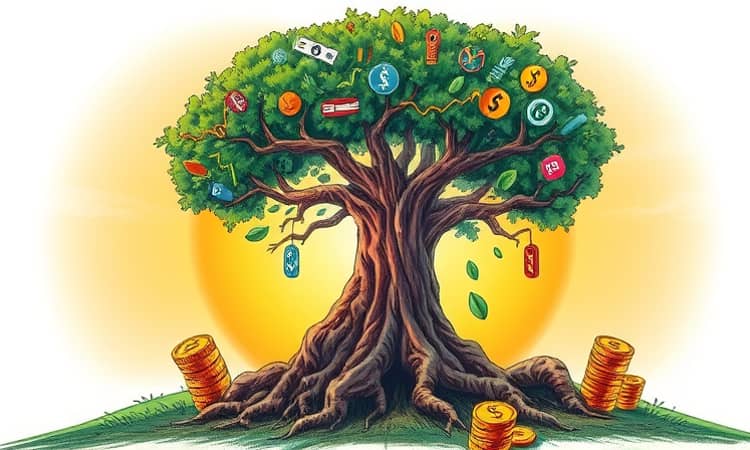
In an age of instant gratification, the concept of durable, long-term investing offers a countercultural approach that rewards patience, discipline, and thoughtful design. By focusing on resilience, capital preservation, and real growth, investors can build portfolios designed to thrive through market cycles and preserve purchasing power over decades.
Understanding Durable Investing
At its core, durable investing emphasizes a long time horizon and resilience through cycles. Rather than chasing short-term market movements, durable investors embrace a strategy built for decades, not days or months. This mindset hinges on avoiding catastrophic losses and ensuring that portfolios can recover after downturns.
Key elements include diversification across asset classes, sensible position sizing, and disciplined rebalancing. Equally important is avoiding over-concentration, excessive leverage, and complex products you don’t understand, ensuring low structural fragility.
- Short-term speculation: market timing, frequent trading, high fees.
- Durable long-term investing: time in the market, simple core holdings, measured risk.
Historical Evidence: Why Time is Your Ally
History shows that time in the market far outweighs market timing. Over the past thirty years, the S&P 500 has delivered roughly 10% annual nominal returns, a testament to consistent, long-run performance despite volatility.
Even during severe drawdowns, markets have tended to rebound. BlackRock notes that despite heightened equity volatility in 2025, stocks have historically been resilient following periods of instability, rewarding patient investors.
Building Blocks of a Durable Portfolio
A well-rounded portfolio relies on three core pillars: cash and cash-like instruments, bonds and fixed income, and equities. Each component plays a distinct role in balancing growth, income, and stability.
- Cash and cash-like instruments
- Bonds and fixed income
- Equities for growth
High-yield savings accounts and certificates of deposit (CDs) form the cash foundation, offering FDIC insured savings with predictable returns for emergencies and near-term needs. CDs lock in rates but limit liquidity, making them ideal for a cash bucket strategy.
Fixed income provides ballast. Government bonds and medium-term corporate bond funds deliver medium-term bond funds with balanced risk, while asset-backed and infrastructure debt can offer diversification beyond basic corporate lending.
Equities serve as the engine for real growth. Broad stock index funds—such as total U.S. market ETFs paired with international ETFs—minimize key-person risk. Dividend-focused funds add income, and style diversification across growth and value, large and small caps, further smooths returns.
Designing Your Allocation and Diversification
Investors can choose from simple structures to more customized portfolios. Single-fund solutions like target-date funds handle diversification and rebalancing automatically. Two- or three-fund portfolios—combining a U.S. stock fund, an international stock fund, and a bond fund—offer low-cost, global exposure.
Core-satellite approaches pair a solid, low-cost core of global index funds with smaller satellite positions in themes like AI or clean energy. This balances two-fund or three-fund portfolios with the potential for enhanced returns.
With today’s persistent inflation and fiscal imbalances, classic 60/40 mixes may need modernizing. Adding digital assets, income strategies, and non-traditional international equities can restore diversification benefits undermined by shifting macro regimes.
Risk Management: Protecting Your Journey
Rebalancing enforces discipline by selling outperformers and buying laggards, maintaining your target risk profile. Whether done annually or when allocations drift beyond set bands, rebalancing harnesses market volatility in your favor.
Investors should align portfolios with their risk tolerance and time horizon. Financial experts advise that workers with a decade or more before retirement can hold higher equity stakes, while those nearer to cash needs should tilt toward safer assets.
Dollar-cost averaging into volatile index funds reduces timing risk by spreading purchases over time. Coupled with a long horizon, this approach leverages dollar-cost averaging into volatile assets to smooth entry points. Additionally, holding investments for over a year qualifies for long-term capital gains tax rates, further enhancing net returns.
Emerging Themes for Long-Term Growth
Beyond core holdings, structural themes like technology innovation, clean energy transitions, and aging population healthcare needs present durable opportunities. These themes often play out over decades and can ride megatrends rather than fads.
However, it’s crucial to avoid over-concentration. Allocating a measured satellite position to each theme prevents undue risk from a single sector’s downturn, preserving avoiding over-concentration and leverage.
Taking Action: Steps to Start Today
Begin by defining your financial goals and time horizon, then craft a written plan with periodic review that outlines your target allocation, risk parameters, and rebalancing schedule. A clear plan reduces emotional decision-making.
Set up automatic contributions to your chosen funds or ETFs, leveraging automatic contributions and regular rebalancing to build your portfolio consistently. Over time, these steady investments harness the power of compounding.
Above all, cultivate patience and resilience. Embrace resilience through market cycles and remind yourself that durable investing is not a sprint but a marathon, one that rewards those who remain committed to the disciplined pursuit of long-term growth and security.