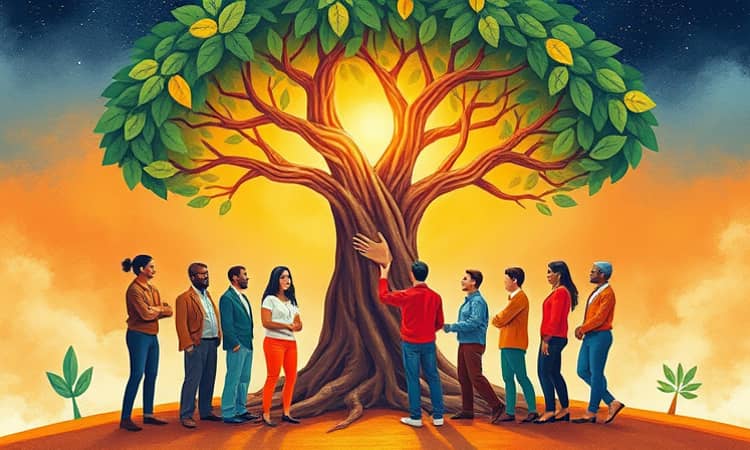
At the heart of lasting transformation lies a simple yet profound truth: equity and growth mindset must go hand in hand. While equality treats everyone the same, equity champions personalized support, acknowledging that different starting points demand custom strategies. By recognizing varying access to resources, organizations can dismantle systemic barriers and unlock new opportunities for all.
A growth mindset, championed by psychologist Carol Dweck, sees potential not as a fixed trait but as an endless frontier. When we believe abilities evolve through effort, feedback, and resilience, we cultivate teams that tackle challenges head-on and recover quickly from setbacks. Bridging these two concepts creates a powerful framework for ownership and innovation.
Picture a team where each member, regardless of background, is encouraged to push beyond comfort zones. When challenges arise, they lean on supportive structures, feedback loops, and equitable policies that reinforce the belief that every obstacle is a stepping stone. This vision lies at the intersection of equity and growth mindset.
The Synergy of Equity and Growth Mindset
When equity informs a growth mindset culture, it does more than level the playing field—it accelerates progress. Policies designed through an equity lens ensure that talent from all backgrounds receives the right resources at the right time. From tailored mentorship programs to dynamically structured benefits, equity eliminates one-size-fits-all approaches.
Research in neuroscience shows that our brains respond strongly to unfair treatment, activating stress responses that inhibit learning. Conversely, environments perceived as fair and supportive stimulate motivation and curiosity. By designing systems that actively correct imbalances, leaders tap into the brain’s natural drive for mastery and exploration. This fosters resilience in the face of setbacks.
This synergy fosters an environment where every individual feels valued and invested. Imagine teams where risk-taking is encouraged because each member knows support systems are in place. By addressing privilege gaps directly, leaders cultivate ownership and sustainable organizational growth at scale.
Building a Compelling Business Case
Data consistently show that companies embracing both equity and a growth mindset outperform peers across key metrics. Revenue growth, employee engagement, and innovation rates all surge when fairness and development converge. Leaders who invest in these principles see dividends in profits, retention, and reputation.
Corning’s recent success in AI products—achieving 8% revenue growth in a quarter—demonstrates how growth-oriented leadership and fair resource distribution can fuel breakthroughs. Yet, only a fraction of organizations sustain top performance long term. McKinsey research underscores that only 1 in 10 companies maintain high growth over decades. A critical differentiator among these performers is their ability to align inclusive practices with ambitious mindsets. They use measured progress to avoid the pitfalls of “growth-at-all-costs,” ensuring that each expansion step reinforces rather than undermines equity through celebrating wins to reinforce culture.
Closing the Gap: Allyship and Leadership
Equity is not a set-and-forget program; it demands ongoing allyship. Those in advantaged positions must actively support and amplify underrepresented voices, becoming agents of change. Through training, reflection, and transparent dialogue, allies reinforce the idea that everyone’s growth contributes to collective success.
Effective allyship also hinges on concrete leadership behaviors. For example, executives might commit to one growth-focused action each week—whether that is spotlighting an underrepresented team for their contributions or adopting a new feedback framework. These visible actions demonstrate that equity is not philosophical but practical.
Leadership plays a pivotal role in modeling both equity and growth mindsets. Simple practices—like framing feedback as a learning opportunity or highlighting stretch assignments—signal that challenges are stepping stones, not roadblocks. Cultivating trust through these behaviors narrows perception gaps between executives and employees and paves the way for transformative organizational growth and innovation.
Benefits of Embracing This Combined Mindset
When equity and growth mindset intertwine, organizations reap multifaceted rewards:
- Enhanced trust and collaboration across teams, fostering open communication.
- Improved resilience in the face of setbacks, as employees view failure as feedback.
- Deeper sense of belonging and inclusivity, boosting morale and reducing turnover.
- Accelerated innovation and creativity resulting from diverse perspectives and safe risk-taking.
- Stronger alignment with core values, which attracts talent and strengthens brand reputation.
On an individual level, people report greater job satisfaction and personal growth when they perceive both fairness and development opportunities. This combination fosters psychological safety, spurring team members to voice ideas, challenge the status quo, and take ownership of shared goals.
Practical Steps to Operationalize Change
Turning these principles into reality begins with clear, actionable steps. Leaders, teams, and individuals can all contribute to an inclusive growth culture:
- Audit existing practices by identifying decision points—promotions, project assignments, and rewards—to reveal hidden biases using a Mindset Culture Cues Audit.
- Develop allyship workshops that equip participants with tools to recognize privilege and support peers effectively.
- Implement weekly growth experiments where team members share challenges, reflect on outcomes, and celebrate lessons learned.
- Review policies through an equity lens—adjust recruitment, compensation, and benefits to align with diverse needs.
- Embed feedback loops at every level to maintain transparency and course-correct in real time.
These initiatives lay the groundwork for a culture where every person has the opportunity and encouragement to advance, innovate, and lead.
Conclusion: A Call to Collective Action
As 2025 approaches, organizations face unprecedented opportunities and challenges. The companies that thrive will be those that fuse equity with an unwavering belief in growth. By differentiating resources based on privilege and nurturing minds that see potential everywhere, leaders lay the foundation for transformative impact.
Ask yourself: What would your organization look like if everyone truly believed in their potential and saw fairness woven into every system? The answer could redefine how we work, innovate, and thrive together.
Looking ahead, Gen Z and millennial professionals increasingly prioritize growth opportunities and meaningful work. Pay equity will no longer be optional but expected, as 92% of senior executives agree that culture enhancement drives value. Aligning with these trends positions organizations for long-term resilience and purpose-driven impact.
Whether you are an executive, manager, or individual contributor, your commitment to this combined mindset can ripple outward, inspiring others to embrace change. Start the journey today—audit a process, mentor a colleague, or champion a new policy. Together, we can cultivate workplaces where fairness fuels progress and every success reflects ownership and collective success.