In the current financial landscape, households and organizations alike navigate an environment that is economic conditions are OK but fragile. After years of steady growth and gradual inflation, many Americans face mounting debt, limited savings, and uncertain income prospects heading into 2025.
Even as personal income in September 2025 rose by 0.4% and disposable personal income climbed 0.3%, challenges persist. Nearly 97% of households report at least one financial priority for the coming year, yet almost 90% expect obstacles—be it inflation, unexpected expenses, or wage constraints. In this climate, transparency and openness become a real competitive advantage.
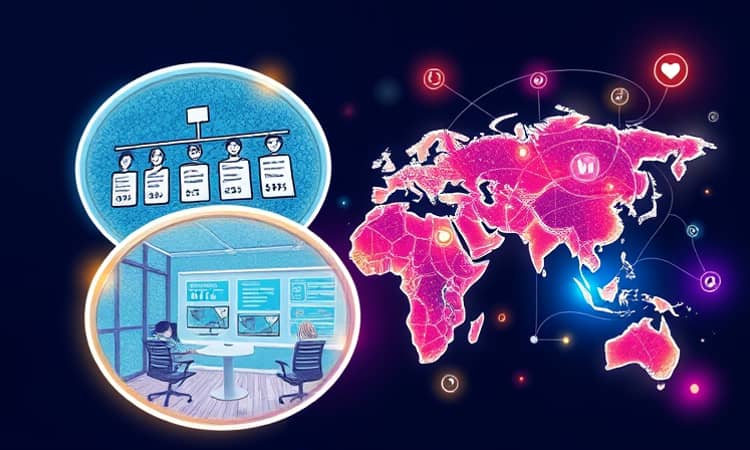
Whether you are an individual striving for stability, a company seeking trust, or a policymaker shaping global markets, openness in finance can unlock better decisions, stronger resilience, and deeper trust. This article explores three layers of transparency—personal, organizational, and system-level—and offers practical steps to harness their power.
Personal Financial Transparency: The Foundation of Self-Knowledge
At its core, personal financial transparency means achieving radical clarity on income, spending, net worth, and risk exposure. If the national personal saving rate sits at just 4.7% of disposable income, you must ask: What is your personal saving rate, and do you know it with confidence?
Start by compiling a complete financial statement. List all income sources, categorize fixed versus variable expenses, and tally every debt and asset. Compare these figures to national benchmarks—Americans saved $1.09 trillion in 2025 yet nearly half remain financially fragile without three months of emergency funds.
Many digital products operate off-book, obscuring your true leverage. By bringing every BNPL purchase, peer-to-peer loan, and in-app credit line onto your personal balance sheet, you achieve transparent money conversations reduce conflict—with yourself and your family.
Open communication within households is equally essential. Money disagreements rank high among couples, yet research shows that families who share budgets and financial goals experience less stress and more aligned expectations.
Concrete tactics include:
- Mapping all debts by balance, interest rate, and repayment term
- Ranking debt pay-down priorities based on cost and urgency
- Sharing monthly progress reports with an accountability partner or financial advisor
With 42% of Americans naming debt reduction as their top 2025 goal and only 55% holding a three-month emergency fund, these openness-driven steps can transform goals into achievements.
Organizational Transparency: Building Trust and Performance
Within companies, open, clear, and timely disclosure of financial data is more than compliance—it is a strategic differentiator. Firms that embrace financial transparency outperform peers in agility, growth, and investor relations.
Transparent accounting and forecasting highlight risks before they become critical, enabling proactive adjustments to budgets and resource allocation. Investors reward clarity with lower risk premiums and greater capital inflows: one study noted that enhanced transparency under Argentina’s asset-declaration program attracted over US$20 billion and compressed country risk.
Internally, transparent practices foster a culture of ownership. When employees see how revenue, costs, and margins affect the bottom line, they gain employees who think like owners. They make faster, more informed decisions, collaborate effectively, and align daily actions with company objectives.
Key benefits of organizational transparency include:
- Improved decision-making and earlier risk detection
- Enhanced investor confidence, leading to easier capital access
- Stronger employee engagement and a shared sense of purpose
Companies that share financial dashboards across teams empower every staff member—from sales to operations—to innovate responsibly and drive sustainable growth.
System-Level Transparency: Shaping the Broader Financial Landscape
At the system level, transparency by governments, regulators, and fintech platforms underpins market stability. In early 2025, inflation hovered around 2.3% (PCE) and 2.4% (CPI), and global growth forecasts remain positive but cautious. Clear data on public debt, interest-rate trajectories, and trade flows empower firms and households to plan ahead.
Open access to regulatory filings and standardized disclosures reduces information asymmetry, lowers borrowing costs, and attracts foreign investment. For example, jurisdictions with robust open-budget initiatives often report lower sovereign borrowing spreads and increased economic participation.
Gender disparities also demand transparency. Worldwide, women’s deposit balances average only 64% of men’s, and outstanding loan amounts are 46% of men’s. Transparent access to account data, fair disclosure of credit terms, and open dialogues on pay can help bridge these gaps.
Policy actions to strengthen system-level openness include:
• Mandating machine-readable budget publications and debt registries
• Enforcing standardized fintech disclosures for all credit products
• Promoting global data sharing platforms to track cross-border capital flows
Conclusion: Your Roadmap to Financial Empowerment
Across personal, organizational, and systemic layers, transparency is the catalyst for better outcomes. Individuals gain self-knowledge and discipline, families align on goals, companies unlock trust and innovation, and societies benefit from stronger governance and reduced risk premiums.
Your path begins with a simple question: How open are you willing to be about money? By mapping debts, sharing budgets, disclosing performance, and advocating for open data, you position yourself, your business, and your community for resilience and growth.
In a world of increasing complexity and hidden risk, openness is not just a buzzword—it is your greatest financial advantage.