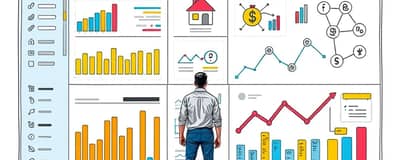
In an era where information is power, financial transparency stands as the cornerstone of individual and collective prosperity. From the inner workings of personal banking apps to the intricate budgets of national governments, openness in finance is reshaping trust, efficiency, and opportunity.
By peeling back layers of complexity, transparency strengthens accountability and equips every person with the tools they need to make informed decisions. This article explores how clear disclosures, real-time data, and global cooperation are driving a transformational shift toward an equitable financial future.
The Personal Finance Revolution
Technology and regulation are converging to demystify personal finances. At the heart of this shift is open banking, a system that enables secure data sharing between institutions and innovative third parties via APIs. Consumers enjoy a holistic view of their accounts, smarter credit scoring, and effortless switching to more competitive products.
Recent studies forecast that the global open banking market will surge to $43.15 billion by 2024, a 25% increase since 2022. Adoption is set to climb from 37% in 2023 to 56% by 2025. As more individuals embrace data portability, they gain the power to compare fees and rates at a glance.
Meanwhile, automation in finance is fostering near real-time closing processes. A Gartner survey reveals that 55% of finance executives aim for a "touchless financial close" by 2025. For consumers and small businesses, this means:
- Up-to-date reporting dashboards reflecting current balances.
- Fewer manual errors and reconciliations.
- Faster insights for budgeting and borrowing decisions.
When fees, interest spreads, and hidden charges are laid bare, people can negotiate or switch with confidence. Clear cost structures drive higher savings rates, improved debt management, and risk-aware investing. In short, full cost visibility unleashes smarter choices that compound into long-term wealth.
Corporate and Institutional Clarity
Beyond personal finance, transparency is remaking how companies and financial institutions operate. Investors now demand real-time portfolio disclosures, ESG (environmental, social, and governance) metrics, and audit-ready statements.
Some leading firms have implemented “touchless” monthly closings: automated processes that generate audited financials with minimal human intervention. This streamlines reporting cycles and reduces the risk of error or fraud.
Development finance institutions (DFIs) and major investors view institutional transparency as a prerequisite for sustainable capital flows. Detailed risk assessments, clear explanations of credit exposures, and readily available public disclosures nurture trust and lower borrowing costs for emerging-market issuers.
Government and Public Finance Transparency
At the macro level, fiscal openness underpins economic stability and equitable growth. The 2025 "Financial Transparency Score" by Truth in Accounting evaluates all 50 U.S. states on the clarity of their annual reports. Top performers—Utah (89/100) and West Virginia (88/100)—demonstrate best practices in pension disclosures and accessible net position statements.
Conversely, states like Illinois and Connecticut scored lowest due to missing or delayed audits and undisclosed pension liabilities. Such opacity can lead to sudden tax hikes, benefit cuts, and weakened credit ratings, directly affecting citizens’ wallets.
On the national stage, the U.S. State Department’s 2025 Fiscal Transparency Report spotlights countries meeting minimum standards for publicly available budgets, independent audits, and comprehensive debt disclosures. Nations falling short face higher sovereign risk premiums, which translate into more expensive loans and possible austerity measures.
Global Movements Toward Accountability
International bodies are also tightening the nets around secrecy. The OECD’s 2025 "Government at a Glance" report champions the automatic exchange of financial account information and beneficial ownership registries. By dismantling bank secrecy and closing tax havens, governments can curb illicit flows and ensure that corporations pay their fair share.
The Institute of International Finance’s 2025 Investor Relations and Debt Transparency Report shows a leap from eight to 36 emerging-market countries adopting formal IR programs since 2005. This expands access to reliable data for global investors, boosting confidence in sovereign debt and reducing borrowing costs for developing economies.
Your Path Forward: Harnessing Transparency
How can individuals tap into these trends to secure their financial future? Start by demanding better disclosures from your bank, employer-sponsored plans, and investment advisors. Look for statements that outline all fees, potential conflicts of interest, and risk scenarios in plain language.
Next, leverage open banking tools to aggregate your financial data. Compare offers for savings accounts, credit cards, and loans. Small rate differences—when revealed—can save hundreds or thousands of dollars over time.
Finally, advocate for public transparency. Support organizations that push for clear government budgets and accessible audits. Citizens have the power to elect leaders committed to open governance, which in turn fosters a stable economic environment.
By championing transparency at every level—personal, corporate, and public—we build a financial ecosystem where trust flourishes and opportunity abounds. When information flows freely, each of us can navigate our financial journeys with clarity, confidence, and control.