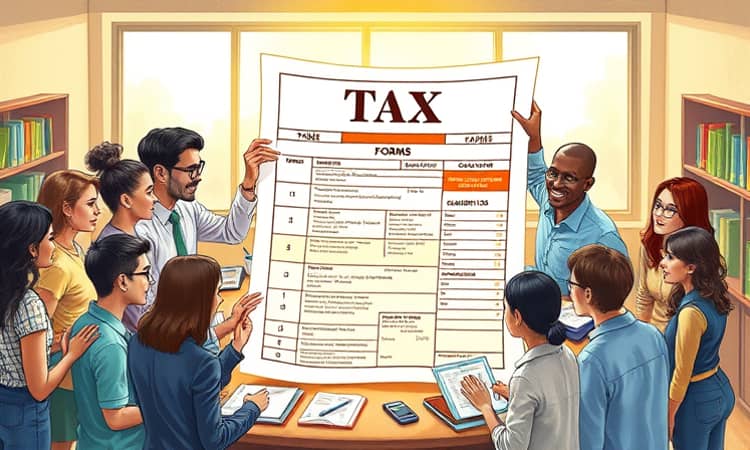
Filing taxes can feel daunting, but with the right information and approach, you can transform the process into an opportunity for savings and greater financial control. This guide breaks down complex rules into simple steps, empowering you to file with confidence.
Getting Started: Why Taxes Matter
Taxes are the foundation of public services, from roads to schools to emergency response. Understanding how to file correctly helps ensure you pay your fair share while maximizing every allowable deduction.
Beyond avoiding penalties, a smart approach to taxes can uncover hidden savings and extra refunds. Let’s dive into the essentials that every taxpayer should know before filling out a single form.
Key Deadlines and Filing Requirements
Mark your calendar: the primary deadline for individual returns is April 15, 2026. If you need more time, file Form 4868 by that date to extend your filing window to October 15, 2026.
Extensions only apply to filing, not payment. You must estimate and pay any tax owed by April 15 to avoid costly penalties and interest. Special extensions exist for active military members and Americans living abroad.
Who needs to file? If your gross income equals or exceeds the standard deduction—$15,750 for singles or $31,500 for married couples—you must file. Even below these thresholds, filing can unlock refundable credits or recover excess withholding.
Essential Documents Checklist
Gathering paperwork in advance ensures a smooth process. Tailor this list to your situation, whether you’re an employee, self-employed, or receiving other income.
- Photo ID and Social Security numbers (self, spouse, dependents)
- W-2 forms from employers and 1099s for freelance work
- Records of other income: interest statements, rental receipts
- Receipts for deductible expenses: medical bills, charitable gifts
- Proof of estimated tax payments or prior-year refunds applied
- Bank account information for direct deposit of any refund
Take time to review life changes—marriage, new job, home purchase—that might affect your filing. Having everything organized reduces stress and potential errors.
Choosing the Right Filing Method
Deciding whether to DIY or hire a professional depends on your comfort and complexity. Below is a comparison to help you choose the best path.
E-filing is highly recommended for speed and accuracy. If you choose paper filing, allow extra time for mail delivery and IRS processing.
Maximizing Deductions and Credits
Smart filers look beyond the standard deduction. Itemizing expenses can yield larger savings if you have significant mortgage interest, medical costs, or charitable contributions.
Explore these strategies to increase your refund or lower your tax bill:
- Claim the Earned Income Tax Credit if your income is moderate or low
- Utilize education credits for yourself or dependents
- Deduct business expenses if you’re self-employed or have a side hustle
- Keep detailed records of home office costs and asset depreciation
Always review the latest IRS updates, as tax laws evolve annually. Spending time on research can pay dividends in tax savings.
Avoiding Common Pitfalls and Scams
Tax season brings increased attempts at fraud. Protect yourself by following these guidelines:
Never share personal information via unsolicited calls or emails. The IRS will not initiate contact by phone demanding immediate payment. Verify preparer credentials and avoid refund-advance loans that erode your eventual return.
Double-check all Social Security numbers and bank details to prevent delays. Filing early can also reduce the chance of someone else fraudulently submitting a return in your name.
Special Situations and Extensions
Life circumstances can change filing requirements:
Self-employed individuals must track quarterly estimated payments and may benefit from retirement contributions to reduce taxable income. Rental property owners should maintain logs of income, expenses, and depreciation schedules.
If you live or work abroad, you may qualify for the Foreign Earned Income Exclusion. Military members have unique deadlines and extensions. Always consult professionals if you encounter unfamiliar territory.
Taking Control of Your Financial Future
Tackling your taxes with preparation and purpose transforms a chore into a chance for empowerment. By organizing documents early, understanding deadlines, and leveraging every available deduction, you step into a position of control.
Remember, taxes are more than obligations—they’re an opportunity to understand your finances, plan ahead, and even save money. Use the strategies here as a roadmap to confidently navigate tax season and emerge with peace of mind.
With knowledge, organization, and timely action, you can master your filings and build a stronger financial foundation for years to come.